
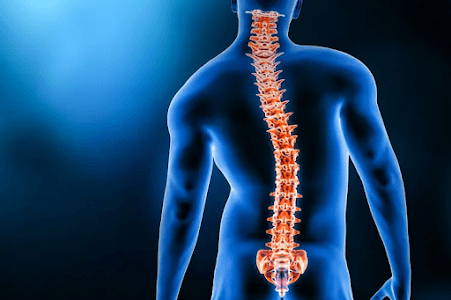
Scoliosis is often misunderstood as just “having a curved back,” but the way it presents varies significantly depending on your age. While children often show no symptoms other than physical asymmetry, adults frequently deal with chronic pain and mobility issues.
1. Scoliosis in Children & Teens: The “Silent” Signs
In children and adolescents, scoliosis is usually idiopathic, meaning it appears for no known reason during growth spurts. Because it rarely causes pain in young patients, it is often missed until a parent notices a change in how clothes fit.
Visible Physical Indicators:
Uneven Shoulders: One shoulder blade may appear higher or stick out more prominently than the other.
Hips Out of Alignment: One hip may seem higher or more “poked out” to the side.
The Rib Hump: When bending forward, one side of the rib cage may look higher or more rounded than the other.
Waist Asymmetry: The “space” between the arms and the torso may look different on the left and right sides.
Leaning Posture: The child may appear to be leaning to one side, even when trying to stand straight.
2. Scoliosis in Adults: The Symptom of “Wear and Tear”
Adults typically fall into two categories: those who had scoliosis as children (Adult Idiopathic) and those who developed it due to aging (Degenerative Scoliosis). Unlike children, adults rarely have a “painless” experience.
The Key Symptoms in Adulthood:
Chronic Lower Back Pain: Dull, persistent aching is the most common complaint as the spine’s misalignment strains the muscles.
Sciatica & Leg Pain: As the spine curves, it can compress nerves, leading to shooting pain, numbness, or “pins and needles” down the legs.
Loss of Height: Degenerative changes in the discs can cause the spine to compress, leading to a noticeable loss in height.
Shortness of Breath: In severe cases, the curvature can rotate the rib cage so much that it limits the space for the lungs to expand.
Difficulty Standing Straight: You may feel like you have to “hunch” or lean on objects to feel balanced.
3. The “Adam’s Forward Bend Test”
This is the gold standard for at-home screening. If you suspect scoliosis in yourself or your child, follow these steps:
Stand with feet together.
Bend forward at the waist with arms hanging loosely toward the floor (like a diving position).
Have someone look at the back from behind.
4. When Is It Time to See a Specialist?
Scoliosis is a progressive condition. While a small curve might never cause trouble, a curve that is ignored can worsen during growth spurts (in kids) or through gravity and aging (in adults).
Seek a consultation if you notice:
A curve that is visible to the naked eye.
Pain that prevents you from completing daily activities.
Numbness or weakness in the legs.
Clothes that consistently hang unevenly.
Recent Comments