
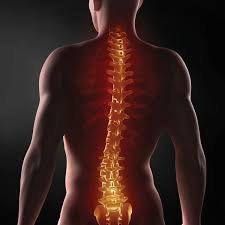
Spinal stenosis is a common spine condition seen in older adults. It happens when the spaces within the spine become narrow, putting pressure on the spinal cord or nerves. This condition can slowly worsen over time if not treated early.
What Is Spinal Stenosis?
Spinal stenosis usually develops due to age-related wear and tear of the spine. As we grow older, bones, discs, and ligaments in the spine may thicken or degenerate, leading to nerve compression. It most commonly affects the lower back (lumbar spine) and neck (cervical spine).
Common Causes of Spinal Stenosis
Age-related degeneration of the spine
Bulging or herniated discs
Thickened ligaments
Bone spurs due to arthritis
Previous spine injuries or surgeries
Symptoms Older Adults Should Not Ignore
Early symptoms may be mild, but they can worsen if left untreated. Watch out for these signs:
Persistent lower back or neck pain
Pain or numbness radiating to the arms or legs
Tingling or weakness in hands or feet
Difficulty walking or maintaining balance
Leg pain that worsens while standing or walking and improves on sitting
Loss of bladder or bowel control (medical emergency)
Why Early Diagnosis Is Important
Ignoring spinal stenosis symptoms can lead to permanent nerve damage. Early diagnosis helps control pain, improve mobility, and prevent serious complications. Timely treatment can greatly improve quality of life in older adults.
How Is Spinal Stenosis Diagnosed?
Doctors diagnose spinal stenosis using:
Physical examination
X-rays
MRI or CT scans
Nerve function tests (if needed)
Treatment Options for Spinal Stenosis
Treatment depends on symptom severity
Surgical Treatments
Surgery may be advised if symptoms are severe or worsening. Procedures aim to relieve nerve pressure and restore mobility, often using minimally invasive techniques.
Tips to Manage Spinal Stenosis
Maintain good posture
Stay physically active with doctor-approved exercises
Avoid prolonged standing or bending
Follow physiotherapy regularly
Attend routine spine check-ups
When to See a Spine Specialist
Older adults should consult a spine specialist if pain persists, walking becomes difficult, or numbness and weakness increase. Early expert care can prevent long-term disability.
Recent Comments