
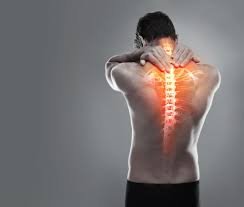
Back pain is often ignored as a minor problem caused by long sitting, poor posture, or daily stress. But in many cases, small back pain can be an early warning sign of serious spine issues. Identifying these signs early can prevent long-term damage and the need for major surgery.
Why You Shouldn’t Ignore Mild Back Pain
Not all back pain is harmless. When pain continues, worsens, or comes with other symptoms, it may indicate a deeper spine problem such as disc damage, nerve compression, or spinal degeneration.
Early diagnosis helps in:
Faster recovery
Less invasive treatment
Preventing permanent nerve damage
Early Warning Signs of Serious Spine Problems
1. Persistent Back Pain
Pain that lasts for weeks or keeps coming back should never be ignored. It may signal disc problems or spinal wear and tear.
2. Pain Radiating to Arms or Legs
If back pain spreads to your legs or arms, it could indicate nerve compression, sciatica, or a slipped disc.
3. Numbness or Tingling
A “pins and needles” sensation in hands, legs, or feet often points to nerve involvement in the spine.
4. Stiffness or Reduced Movement
Difficulty bending, twisting, or standing straight may be an early sign of spinal stiffness or degeneration.
5. Weakness in Limbs
Feeling weak while walking, lifting objects, or gripping things can be a sign of serious nerve pressure.
6. Pain Worse at Night or Rest
Back pain that increases at night or does not improve with rest may need urgent medical attention.
Common Spine Conditions Behind These Symptoms
Slip Disc (Herniated Disc)
Sciatica
Spinal Stenosis
Degenerative Disc Disease
Spondylolisthesis
When Should You See a Spine Specialist?
You should consult a spine doctor if:
Pain lasts more than 2–3 weeks
Pain increases day by day
You experience numbness or weakness
Daily activities become difficult
Early treatment can often avoid surgery.
How Spine Problems Are Treated Today
Modern spine care focuses on:
Medication and physiotherapy
Lifestyle and posture correction
Minimally invasive spine procedures
Advanced surgical options (only when necessary)
Early-stage spine problems usually respond well to non-surgical treatment.
Tips to Protect Your Spine
Maintain good posture
Take breaks from long sitting
Exercise regularly
Maintain a healthy weight
Avoid lifting heavy objects incorrectly
Recent Comments